
Best Blue Mountain Coffee on Amazon (2026): 6 Products Compared
Jamaica Blue Mountain Coffee is known for its smooth character, balanced flavor, and distinctive growing region. But choosing the right bag can be difficult, especially when comparing authentic estate coffee with blends and different roast options. This guide compares six Amazon-listed options and explains what to look for before buying.
Amazon Affiliate Disclosure: As an Amazon Associate I earn from qualifying purchases. MountainsCoffees.com is an independent coffee publication. Product prices, ratings, and availability on Amazon are accurate as of the date indicated and are subject to change. Any price and availability information displayed on Amazon.com at the time of purchase will apply to the purchase of the product.
At A Glance
Blue Mountain Coffee Comparison Table
Compare verified estate purity, bean format, roast character, and specific Amazon buying links for our six featured selections.
| Product & Image | Coffee Type | Bean Format | Package Size | Editorial Award | Amazon Link |
|---|---|---|---|---|---|
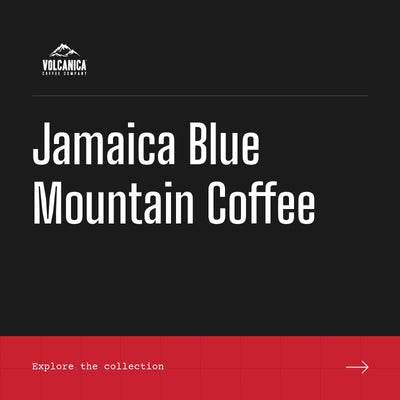
Volcanica Coffee
100% Jamaica Blue Mountain |
100% Pure Estate | Whole Bean | 16 oz (1 lb) | Top Overall Pick | Check Price → |
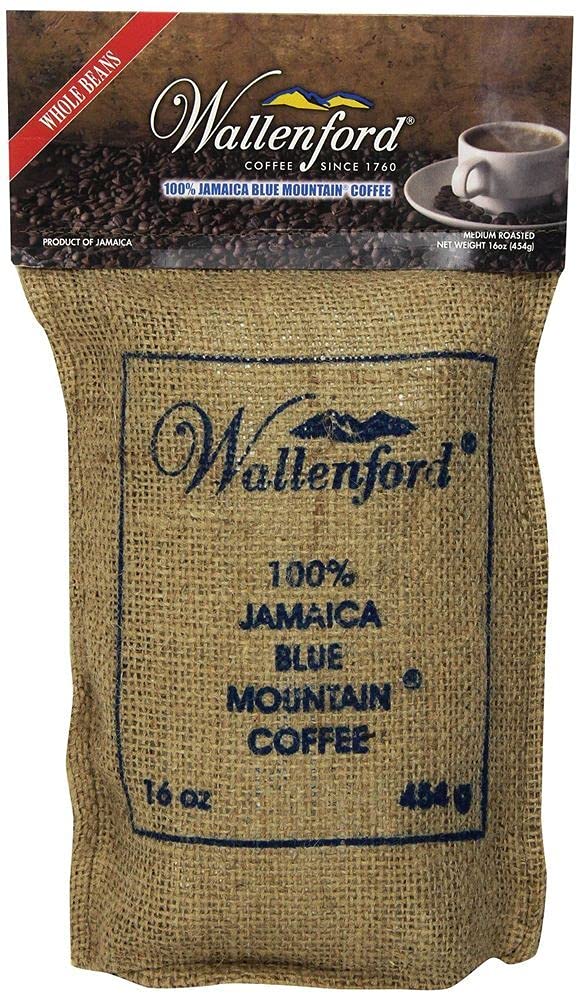
Wallenford
100% Whole Bean |
100% Pure Estate | Whole Bean | 16 oz (1 lb) | Best Historic Estate | Check Price → |
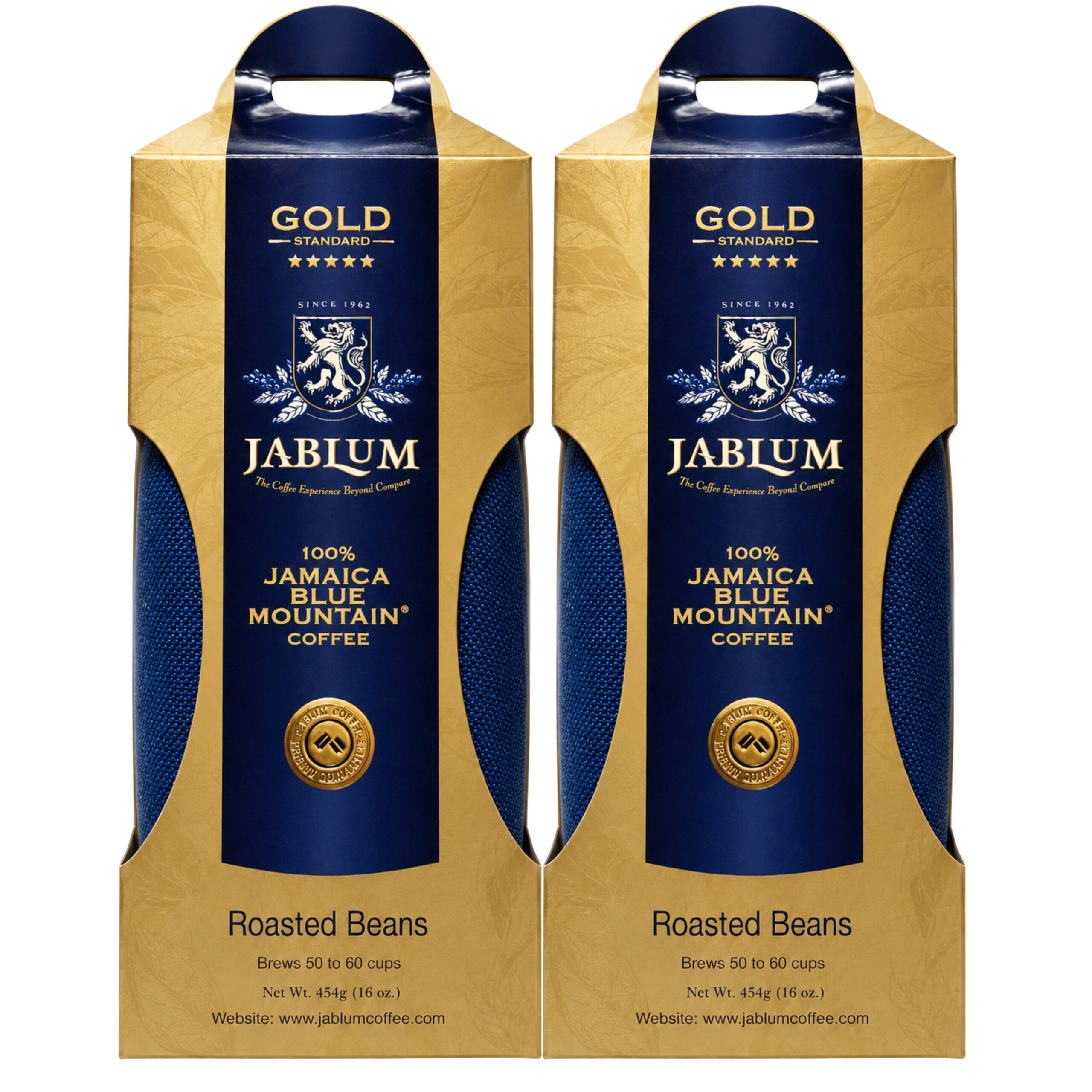
Jablum Whole Bean
Gold Standard Estate |
100% Pure Estate | Whole Bean | 16 oz (1 lb) | Best Traditional Estate | Check Price → |
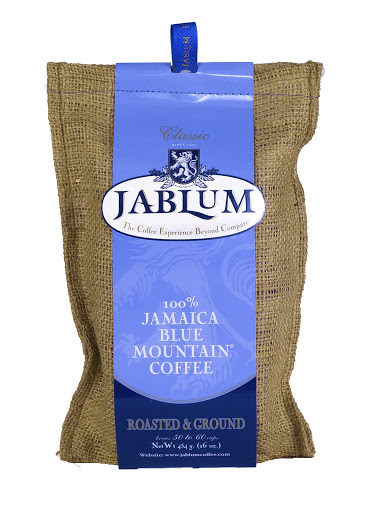
Jablum Ground
Pre-Ground Medium Grind |
100% Pure Estate | Ground Coffee | 16 oz (1 lb) | Best Ground Option | Check Price → |
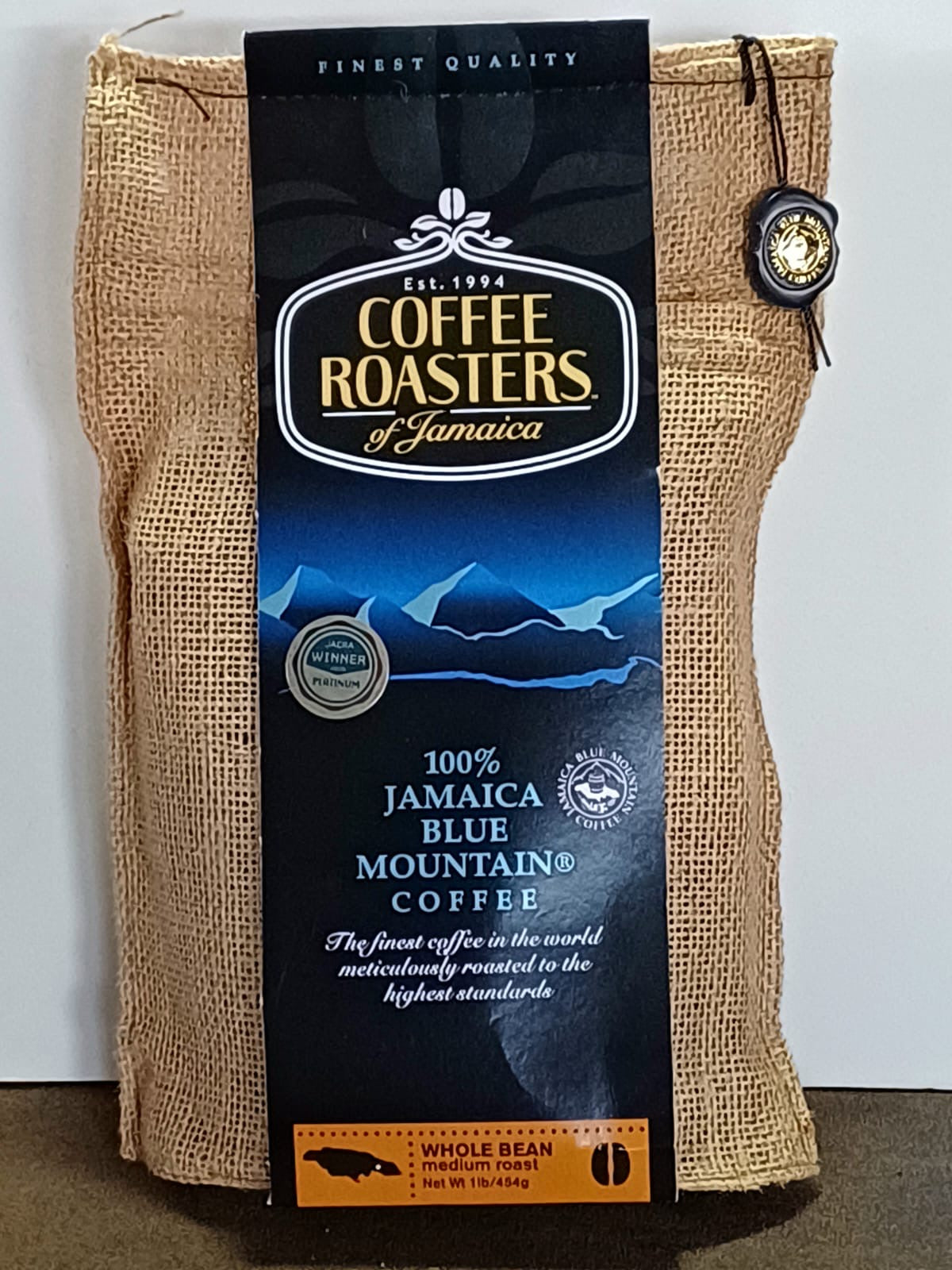
Coffee Roasters of Jamaica
Island Roasted Fresh |
100% Pure Estate | Whole Bean | 16 oz (1 lb) | Best Jamaican Roaster | Check Price → |
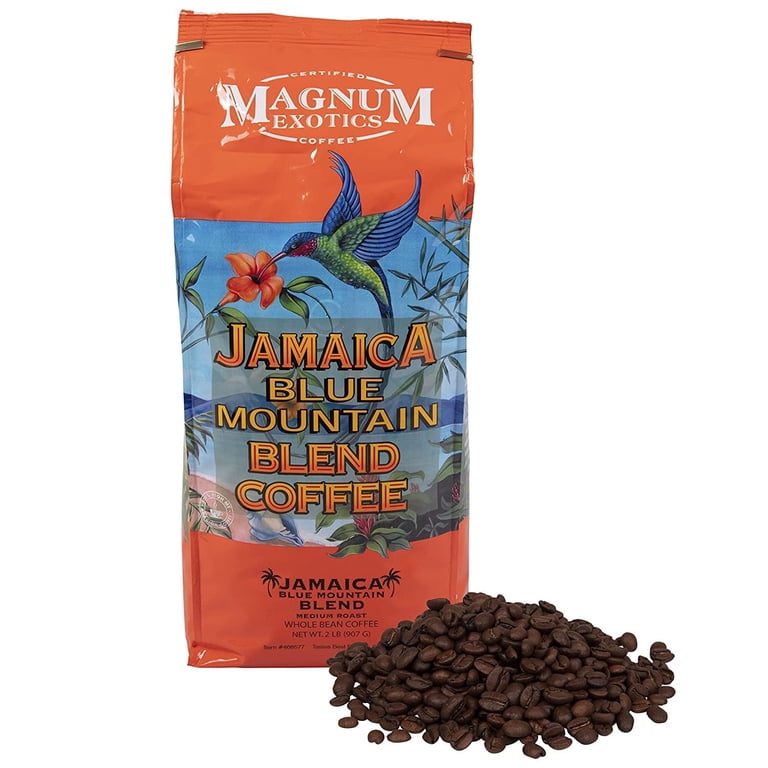
Magnum Exotics Blend
Blue Mountain Arabica Blend |
Commercial Blend | Whole Bean | 32 oz (2 lb) | Best Value Blend | Check Price → |
In-Depth Reviews
The 6 Best Blue Mountain Coffee Picks on Amazon
Each coffee below has been verified for bean format, estate provenance, JACRA certification status, and Amazon purchasing credentials.
Top Overall Pick
16 oz Valve Bag • Whole Bean
Brand: Volcanica Coffee Company
100% Certified JACRA
1. Volcanica 100% Jamaica Blue Mountain Coffee
Volcanica stands out as the most reliable specialty roaster offering genuine, single-origin Jamaica Blue Mountain beans on Amazon. Sourced directly from certified estates in the Clydesdale and Wallenford micro-regions, this medium roast captures the quintessential Blue Mountain cup: crisp sweetness, delicate floral fragrance, silky body, and virtually zero bitter aftertaste.
FormatWhole Bean
Coffee Type100% JBM Pure
Package Size16 oz (1 lb)
OriginSt. Andrew & Clydesdale
CertificationJACRA Export Stamp
Roast LevelMedium Roast
✓ Why Consider This Product:
- 100% pure authentic Jamaica Blue Mountain (zero filler beans).
- Roasted immediately prior to packaging in one-way degassing valve bags.
- JACRA certified documentation verifying legal authenticity.
- Exceptional balance of chocolate malt and citrus sweetness.
✗ Potential Disadvantages:
- High retail cost reflecting standard Blue Mountain export pricing.
- Medium roast may feel too gentle for lovers of oily dark roasts.
Who Should Buy It: Discerning coffee lovers wanting genuine 100% Blue Mountain beans with guaranteed freshness and legitimate origin tracing.
Who Should Avoid It: Shoppers seeking a budget everyday morning coffee or intense espresso-roast smokiness.
Best Historic Estate
16 oz Bag • Whole Bean
Brand: Wallenford Coffee Company
Historic Jamaican Estate
2. Wallenford 100% Jamaica Blue Mountain Whole Bean
Wallenford is one of Jamaica’s most venerable coffee estates, recognized worldwide for establishing the benchmark of Blue Mountain quality for over two centuries. Cultivated on steep, mist-veiled mountain ridges in the parish of St. Andrew, Wallenford beans are renowned for their mellow acidity, velvety mouthfeel, and delicate notes of hazelnut and brown sugar.
FormatWhole Bean
Coffee Type100% Single-Estate
Package Size16 oz (1 lb)
OriginWallenford Estate, St. Andrew
CertificationOfficial Coffee Industry Board
Roast LevelMedium-Light Roast
✓ Why Consider This Product:
- Iconic heritage estate with strict origin-controlled washing and drying.
- Impeccably clean finish with rich roasted nut and cocoa undertones.
- Whole bean format allows manual grind adjustment for French press or pour-over.
✗ Potential Disadvantages:
- Limited availability on Amazon due to harvest quotas in Japan and Europe.
- Packaging is utilitarian; store in an airtight container upon opening.
Who Should Buy It: Purists and collectors who want authentic heritage estate beans with a historical pedigree.
Who Should Avoid It: Drinkers who prefer dark, heavily caramelized French roasts.
Best Traditional Estate
16 oz Burlap/Pouch • Whole Bean
Brand: Jablum (Mavis Bank)
100% JACRA Certified
3. Jablum Jamaica Blue Mountain Whole Bean Coffee
Processed at the world-famous Mavis Bank Central Factory nestled in the Blue Mountain foothills, Jablum (Jamaica Blue Mountain) is the premier island brand familiar to travelers and aficionados. Roasted to a traditional medium profile, Jablum whole beans deliver floral aromatics, subtle cedar nuances, and an ultra-smooth finish that exemplifies classic island craftsmanship.
FormatWhole Bean
Coffee Type100% Pure Blue Mountain
Package Size16 oz (1 lb)
OriginMavis Bank, Jamaica
CertificationJACRA & CIB Certified
Roast LevelMedium Roast
✓ Why Consider This Product:
- The benchmark brand processed by Mavis Bank Coffee Factory since 1923.
- Certified 100% Grade 1 Jamaica Blue Mountain Arabica Typica.
- Famous for its complete absence of bitterness, even when brewed concentrated.
✗ Potential Disadvantages:
- Prime Amazon stock can fluctuate based on shipping cargo schedules.
- Premium pricing reflects international demand and strict export levies.
Who Should Buy It: Coffee connoisseurs seeking Jamaica’s most famous and trusted brand in whole bean format.
Who Should Avoid It: Casual drinkers unwilling to invest in a dedicated burr grinder.
Best Ground Option
16 oz Foil-Sealed • Ground
Brand: Jablum (Mavis Bank)
100% Pre-Ground Authentic
4. Jablum Jamaica Blue Mountain Ground Coffee
For consumers who do not own a specialized conical burr grinder but still crave genuine Blue Mountain coffee, Jablum’s pre-ground edition provides calibrated convenience. Ground to a versatile medium consistency at the factory in Jamaica and sealed immediately in nitrogen-flushed foil bags, it excels in standard automatic drip coffee makers and pour-over cones.
FormatGround Coffee
Coffee Type100% Pure Estate
Package Size16 oz (1 lb)
OriginMavis Bank, Jamaica
CertificationJACRA Certified Mark
Roast LevelMedium Roast
✓ Why Consider This Product:
- Convenient preparation: no grinder or equipment calibration needed.
- Calibrated medium grind size suits automatic drip machines and Chemex.
- 100% certified authentic Jamaican beans from Mavis Bank.
✗ Potential Disadvantages:
- Pre-ground coffee oxidizes faster than whole beans once opened.
- Fixed particle size is slightly too fine for coarse French press brewing.
Who Should Buy It: Busy coffee lovers and gift shoppers wanting authentic Jamaica Blue Mountain coffee ready to brew in standard drip makers.
Who Should Avoid It: Espresso hobbyists or French press drinkers requiring coarse or fine grind customization.
Best Jamaican Roaster
16 oz Bag • Whole Bean
Brand: Coffee Roasters of Jamaica Ltd
Kingston Island Roaster
5. Coffee Roasters of Jamaica 100% Blue Mountain Coffee
Roasted and packed locally in Kingston, Jamaica, Coffee Roasters of Jamaica Ltd provides an authentic small-batch roast directly from the source. Hand-selected from hillside smallholders in Portland and St. Thomas, these whole beans highlight bright cane sugar sweetness, a light floral bouquet, and the velvety mouthfeel that distinguishes true island-roasted Jamaican beans.
FormatWhole Bean
Coffee Type100% Jamaican Blue Mountain
Package Size16 oz (1 lb)
OriginBlue Mountain Range, Jamaica
CertificationJACRA Certified Roaster
Roast LevelMedium Roast
✓ Why Consider This Product:
- Direct Jamaican company operating local roasting facilities in Kingston.
- Strict adherence to Jamaican Coffee Industry Board sorting standards.
- Remarkably smooth extraction with notes of sweet herb, cocoa, and butter.
✗ Potential Disadvantages:
- Smaller export batches mean occasional temporary Amazon stock-outs.
- Slightly softer acidity compared to high-altitude East African coffees.
Who Should Buy It: Shoppers who prioritize purchasing directly from Jamaican domestic roasters rather than multinational importers.
Who Should Avoid It: Anyone looking for commercial coffee blends priced under $20.
Best Budget Blend
32 oz (2 lb) Bulk Bag • Whole Bean
Brand: Magnum Coffee Roastery
Commercial Blend (Not 100%)
6. Magnum Exotics Jamaican Blue Mountain Blend
For daily drinkers who enjoy the mild, nutty profile associated with Blue Mountain coffee but cannot justify paying $50+ per pound every week, Magnum Exotics offers a popular commercial blend. Combining authentic Jamaican beans with high-grown Central and South American Arabica, this 2-pound bulk bag delivers an approachable, low-acid breakfast cup at a fraction of the cost.
FormatWhole Bean
Coffee TypeCommercial Blend (~10%)
Package Size32 oz (2 lbs)
OriginJamaica & Americas
CertificationBlended Designation
Roast LevelMedium Roast
✓ Why Consider This Product:
- Substantially lower cost per ounce compared to 100% pure Blue Mountain.
- Generous 2-pound bag ideal for multi-cup daily households.
- Consistent mild flavor profile with low bitterness and pleasant nutty notes.
✗ Potential Disadvantages:
- NOT 100% Blue Mountain: Contains only a regulated percentage of Jamaican beans.
- Lacks the complex floral nuance and crystalline clarity of pure estate beans.
Who Should Buy It: Value-oriented shoppers wanting a smooth, low-acidity daily drinker inspired by the Blue Mountain style.
Who Should Avoid It: Anyone demanding genuine 100% single-origin Jamaica Blue Mountain certified coffee.
Coffee Knowledge
The Complete Blue Mountain Coffee Buying Guide
Everything you need to know about Jamaican terroir, authenticity certification, brewing science, and bean storage.
What Makes Jamaica Blue Mountain Coffee Special?
Jamaica Blue Mountain Coffee is not simply coffee grown on an island; it is an internationally recognized botanical and geographic treasure. Grown in the rugged Blue Mountain Range spanning the eastern parishes of Portland, St. Andrew, and St. Thomas, genuine Blue Mountain coffee is produced under exceptionally rare microclimatic conditions.
Altitude and Climate Conditions
To legally bear the Jamaica Blue Mountain designation, the coffee must be cultivated at elevations between 2,000 and 5,000 feet (600 to 1,500 meters). The mountain peaks, which rise to 7,402 feet, trap cool, moisture-laden Caribbean tradewinds, creating a perpetual blanket of mist and dense cloud cover. This shade-covered environment drastically reduces sunlight intensity, cooling ambient temperatures and slowing the maturation cycle of the coffee cherries from the standard 5–6 months to nearly 10 months.
This extended ripening cycle allows the coffee plant to synthesize higher concentrations of complex carbohydrates and sugars while moderating chlorogenic acid accumulation. The volcanic, nutrient-rich soil combined with exceptional drainage on 40-degree slopes prevents waterlogging and fosters deep, mineral-rich root systems.
Flavor Characteristics and Production Grading
In the cup, authentic Blue Mountain coffee exhibits an extraordinary sensory profile: a remarkably crystalline, mild flavor, an utter absence of bitter astringency, vibrant yet silky body, and a delicate floral aroma complemented by notes of sweet chocolate, hazelnut, and sweet herbs. Unlike bright, citrus-heavy African coffees, Blue Mountain is prized for its sublime balance and velvety smoothness.
How to Identify Authentic Blue Mountain Coffee
Because genuine Jamaica Blue Mountain commands some of the highest green bean prices in the specialty world, the brand is among the most counterfeited agricultural commodities on earth. Discerning buyers must know how to inspect listings and packaging to guarantee legitimacy.
Crucial Regulatory Fact: In Jamaica, all commercial coffee production and exports are governed by JACRA (the Jamaica Agricultural Commodities Regulatory Authority, formerly the Coffee Industry Board). Every barrel of green Blue Mountain coffee leaving the island undergoes mandatory sensory cupping and physical grading before an official export certificate is granted.
Checklist for Spotting Genuine Blue Mountain Coffee on Amazon
- Look for the JACRA / Coffee Industry Board Seal: Authentic packaging almost always bears the official trademarked JACRA logo featuring the Blue Mountain peak, barrel, and map outline.
- Examine the “100%” Verbiage: If a bag says “Blue Mountain Style,” “Blue Mountain Roast,” or merely “Blue Mountain Blend” without specifying 100%, it is a commercial blend containing predominantly cheaper beans.
- Check the Price per Ounce: Genuine green Blue Mountain beans cost roasters between $25 and $40 per pound wholesale. A roasted 16 oz bag selling for under $30 is statistically impossible to be 100% pure authentic Blue Mountain.
- Verify the Roaster & Estate: Trusted roasters like Volcanica, Wallenford, and Jablum provide clear parish and estate traceability.
100% Blue Mountain Coffee vs Blue Mountain Blends
The distinction between 100% certified Blue Mountain coffee and Blue Mountain blends is the single most common source of consumer confusion on Amazon.
| Criteria | 100% Jamaica Blue Mountain | Blue Mountain Blend |
|---|---|---|
| Bean Composition | 100% Arabica Typica grown in the certified Blue Mountain zone. | Typically 10% to 20% Blue Mountain, combined with Latin American or African Arabica. |
| Flavor Experience | Unrivaled sweetness, floral nuance, delicate acidity, zero bitterness. | Pleasant and smooth, but dominated by the body and flavor of the base beans. |
| Price Range | $50 to $80+ per 16 oz bag. | $15 to $25 per 16 oz to 32 oz bag. |
| Best Purpose | Special occasions, cupping, pure appreciation, gifts. | Daily multi-cup morning routines on a moderate budget. |
Blends such as Magnum Exotics serve a legitimate market need for affordable everyday drinking, but consumers must not purchase a blend expecting the singular taste of a certified 100% estate harvest.
Whole Bean vs Ground Blue Mountain Coffee
When purchasing luxury coffee of this caliber, bean format is critical to the final cup quality.
Whole Bean Coffee (Recommended)
Grinding immediately before brewing preserves the volatile aromatic compounds—esters, aldehydes, and pyrazines—that give Blue Mountain its signature floral bouquet. Whole beans retain peak flavor for 4 to 8 weeks in proper storage.
✓ Best for: French press, pour-over, Aeropress, and precision brewers.
Pre-Ground Coffee
Offers total convenience without requiring expensive grinder equipment. However, the exponential increase in surface area leads to faster oxidation. Pre-ground packages should ideally be consumed within 10 to 14 days of breaking the vacuum seal.
✓ Best for: Drip coffee makers, office settings, and travel.
For more details on bean formats and grind mechanics, explore our comprehensive Brewing Machine Coffee Selection Guide.
How to Brew Blue Mountain Coffee
Because Jamaican Blue Mountain coffee possesses delicate, subtle aromatics and mild acidity, aggressive brewing methods can destroy its nuances. Follow these calibrated parameters for optimal extraction:
1. Pour-Over (Hario V60 / Kalita Wave / Chemex) — The Gold Standard
Pour-over brewing allows precise temperature regulation and clean paper filtration, showcasing Blue Mountain’s crisp floral clarity and sweet cane sugar finish.
- Brew Ratio: 1:16 (e.g., 20 grams of coffee to 320 grams of water).
- Water Temperature: 198°F to 202°F (92°C to 94°C). Avoid rolling boiling water, which extracts harsh tannins.
- Grind Size: Medium-fine (similar to sea salt).
- Brew Time: 3 minutes total contact time, including a 45-second bloom with 50g water.
2. French Press (Immersion Brewing)
Immersion allows the natural coffee oils to remain in suspension, creating a velvety, heavy mouthfeel that complements Jablum and Wallenford estate beans.
- Brew Ratio: 1:15 (e.g., 30 grams of coffee to 450 grams of water).
- Grind Size: Coarse and uniform.
- Steep Time: 4 minutes, gentle stir at 1 minute, plunge slowly without pressing hard against the bed.
3. Automatic Drip Machines
If using a drip machine, ensure your brewer is SCAA-certified to maintain water temperatures between 195°F and 205°F. Use unbleached paper filters rinsed with warm water to prevent paper flavor transfer.
To understand how roast degrees impact extraction thermodynamics, read our detailed guide on Coffee Roast Levels Explained.
How to Store Blue Mountain Coffee
Given the premium investment of genuine Jamaican beans, safeguarding freshness is essential. The four primary enemies of roasted coffee are oxygen, moisture, heat, and direct ultraviolet light.
Golden Storage Rule: Never store your Blue Mountain coffee in the refrigerator. Refrigerator environments fluctuate in humidity and harbor food odors that coffee beans readily absorb like a sponge due to their porous lipid structure.
- Use an Opaque, Vacuum-Sealed Canister: Transfer whole beans to a stainless steel or ceramic container with a one-way CO2 degassing valve and an airtight vacuum plunger.
- Store at Cool Room Temperature: Place the container in a dark pantry or cabinet away from ovens, stovetops, or direct sunlight (ideal temperature: 65°F to 72°F).
- Freezing Whole Beans (Long Term Only): If you purchase multiple 16 oz bags, unopened vacuum-sealed bags can be frozen once at -5°F. When ready to use, allow the entire bag to reach room temperature before opening to avoid condensation shock.
Is Blue Mountain Coffee Worth the Price?
At $50 to $80+ per pound, Jamaica Blue Mountain is indisputably a luxury specialty item. Is the elevated price tag justified?
The cost is driven primarily by rigorous agricultural economics rather than arbitrary marketing:
- Geographical Limitations: The legally designated Blue Mountain area is tiny, constrained to mountain ridgelines in three parishes. Only a few million pounds are harvested annually (compared to billions of pounds globally).
- Extreme Hand Labor: The volcanic mountain terrain is too steep for tractors or mechanized harvesting. Every coffee cherry is hand-picked by skilled Jamaican harvesters climbing 40-degree slopes.
- Japanese Export Dominance: Historically, Japanese coffee importers purchase 75% to 80% of Jamaica’s annual Blue Mountain harvest, creating intense scarcity in North America and Europe.
- Rigid Quality Mandates: JACRA rejects barrels that do not pass rigorous physical screen grading and blind cupping scores.
The Bottom Line: If you appreciate subtle, smooth, sweet, and low-acid coffees with historical prestige and zero bitterness, genuine Jamaica Blue Mountain is an extraordinary experience that every coffee enthusiast should try at least once. If you prefer high-intensity fruity acidity or dark espresso roasts, your budget may be better invested in single-origin Ethiopian or Colombian coffees.
How We Select & Verify Blue Mountain Coffee
At Mountains Coffees, we do not fabricate lab tests or invent fake cupping scores. Our selection methodology for Amazon-listed Blue Mountain coffee is based on rigorous market verification:
- Origin & JACRA Verification: We confirm whether each brand demonstrates legitimate Jamaican export licensing, parish origin documentation, or CIB certification stamps.
- ASIN & Listing Auditing: We inspect live Amazon product listings to confirm ASIN integrity, packaging weights, roast formats, and seller reliability.
- Consumer Sentiment & Return Patterns: We analyze verified buyer feedback to identify recurring problems with stale roast dates or shipping damage.
- Transparency on Blends: We strictly distinguish 100% pure Blue Mountain coffees from commercial blends so shoppers never pay estate prices for filler beans.
Frequently Asked Questions
Blue Mountain Coffee FAQs
Clear, factual answers to the most common questions about Jamaican Blue Mountain coffee.
1. What is the best Blue Mountain Coffee on Amazon?
The top overall pick is Volcanica 100% Jamaica Blue Mountain Coffee due to its consistent freshness, reliable JACRA certification, whole bean availability, and authentic Clydesdale estate sourcing. For heritage island brand authenticity, Jablum Whole Bean and Wallenford are the gold standards.
2. How can I tell if Blue Mountain Coffee is authentic?
Verify that the packaging explicitly states “100% Jamaica Blue Mountain Coffee” (not “Blend” or “Style”), displays the official JACRA / Coffee Industry Board trademark seal, lists a credible parish or estate (such as St. Andrew, Portland, Clydesdale, Mavis Bank, or Wallenford), and carries a realistic price tag (typically $50+ per pound).
3. Is all Jamaican Blue Mountain Coffee 100% pure?
No. Many products on the market are “Blue Mountain Blends,” which legally only require a minimum of 10% to 20% authentic Jamaican beans mixed with less expensive Arabica beans from other countries. Always look for the explicit “100%” declaration on the label.
4. Why is Blue Mountain Coffee so expensive?
Extreme scarcity, dangerous manual harvesting on 40-degree slopes, limited geographical growing borders, heavy Japanese market demand (Japan buys ~80% of annual crops), and mandatory JACRA regulatory quality checks all contribute to high wholesale prices.
5. Which is better: whole bean or ground coffee?
Whole bean is significantly superior for high-end Blue Mountain coffee because grinding immediately prior to brewing protects delicate aromatic lipids and prevents rapid staling. Ground coffee should only be chosen if you lack a reliable burr grinder and intend to consume the bag within two weeks.
6. What does authentic Blue Mountain Coffee taste like?
Genuine Blue Mountain coffee is famous for being exceptionally clean, sweet, and mild. It features a floral aroma, notes of roasted nuts and milk chocolate, delicate cane sugar sweetness, a rich creamy mouthfeel, and a total absence of bitter or harsh aftertaste.
7. Where is Jamaica Blue Mountain Coffee grown?
It is grown exclusively in the Blue Mountain Range in eastern Jamaica, across parts of the parishes of Portland, St. Mary, St. Andrew, and St. Thomas, strictly at elevations between 2,000 and 5,000 feet.
8. Is Blue Mountain Coffee worth buying?
Yes, for coffee enthusiasts who appreciate delicate, silky, low-acid, and naturally sweet coffee without bitterness. However, drinkers who prefer heavy, dark, or deeply smoky roasts might find its mild character too subtle for the premium price.
9. How should Blue Mountain Coffee be stored?
Store whole beans in an airtight, opaque container equipped with a one-way CO2 valve, kept at cool room temperature away from heat, light, and humidity. Never store daily coffee beans in the refrigerator.
10. What is the difference between Blue Mountain Coffee and regular Jamaican coffee?
Coffee grown in Jamaica below 2,000 feet is classified as “Jamaica Low Mountain” or “Jamaica Supreme,” not Blue Mountain. Only coffee cultivated within the officially designated Blue Mountain zone at 2,000 to 5,000 feet qualifies for the legal JACRA Jamaica Blue Mountain designation and commands premium export status.